
Product Range
Reference Electrodes for Cathodic Protection
Permanently installed in reinforced concrete and steel-framed structures to monitor cathodic protection systems. Three electrode families to suit every environment and service life requirement.
45+ countriesShipped worldwide
ISO 12696:2022Fully compliant
Calibrated & certifiedCertificate with every order
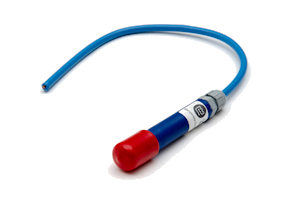
Manganese Dioxide
RB15 Reference Electrode
RB15
Superior long life manganese dioxide based reference electrode. Ideal for marine environments and reinforced concrete. 50+ year design life. Solid state — no internal gels.
View electrode
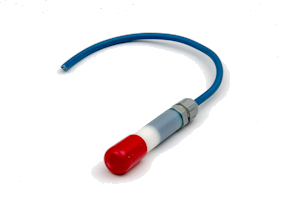
Silver / Silver Chloride
LD15 / LD25 Reference Electrode
LD15LD25
Ag/AgCl/0.5M KCl electrodes for atmospherically exposed concrete and steel frame buildings. Large contact area, 30–50 year design life. Not recommended for marine applications.
View electrode
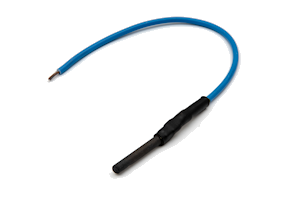
Pseudo Reference
MMO/Ti Reference Electrode
MMO/Ti
Mixed metal oxide pseudo reference electrodes for depolarisation measurements. 50+ year service life on high purity titanium substrate with iridium-based coatings.
View electrode
Common questions
Frequently asked questions
- Which electrode do you recommend for marine structures?
- Our RB15 manganese dioxide reference electrode is best for marine structures providing a stable potential reading for depolarisation measurements. We would also recommend including some MMO/Ti decay probes which can be used when the RB15 units reach the end of their service life.
- What cable type do you supply with the electrodes?
- We usually supply the electrodes with 2.5mm² XLPE/XLPE or XLPE/PVC cable in blue/blue for the RB15 and LD15/LD25 units. The MMO/Ti electrodes generally have a yellow/yellow cable insulation to help identify them.
- Can you supply the electrodes without cable tails?
- Yes we can supply them without cable tails and instructions on how to fit your own cables. We supply the cable connectors and cable glands. This is particularly useful for clients outside the UK who require long cable tails making the shipping costs excessive.
- What are the common causes of electrode failure?
- Failing to remove the red end caps / Physical damage during installation / Poor contact with the concrete used to embed the electrodes / Errors in the wiring system / Corrosion of the reinforcement in the anode zone which can cause high resistivity / Faulty circuit boards in the monitoring system.
- What is the typical lead time?
- We usually quote 4 weeks depending on current orders and any public holidays.